The Hardest Things to Clean Off a Car
Baked-on tree sap, bird droppings, bugs and winter salt: why they're so hard to clean off a car, how to remove them safely, and when to call a detailer.
The short answer: outside, the hardest things are tree sap, bird droppings and bug remains that have baked on in the sun, because they bond to the finish as they dry. Inside, it's dried winter salt in the carpet, debris packed into crevices, and stuck-on candy.
The common thread: the longer something sits, the harder it gets. Here's why each one is tough and how to deal with it without hurting your paint.
What's the hardest thing to clean off a car?
Baked-on tree sap is one of the toughest. It bonds to paint, shrinks as it dries and stresses the finish, and heat makes the bond stronger. Bird droppings behave in a similar way.
Consumer Reports' auto team explains that sap bonds strongly with paint, and as it dries and shrinks it puts stress on the finish and can crack it. Warm weather speeds that up. Bird droppings do much the same thing, and bug remains baked by the sun can etch some finishes as they break down. Newer paint holds up better than older paint, but none of these should be left for days.
That's why timing matters more than products. Something wiped off the same day is usually an easy job. The same spot left for a week in the sun is a much harder one.
How do you get tree sap off a car without damaging the paint?
Wash the area first, then try rubbing alcohol on a soft cloth. If that doesn't work, use a sap or bug-and-tar remover, test it on a hidden spot, and wax afterwards.
Here's the order Consumer Reports recommends:
1. Wash the car first. Dirt around the sap gets ground into the paint if you start rubbing without washing. 2. Try rubbing alcohol on a cloth. It may be all you need. 3. Move to a dedicated remover (tree sap or bug-and-tar remover from an auto parts or hardware store) if alcohol doesn't do it. Test it on a small, hidden area first: streaking or discolouration means it's hurting the clear coat. 4. Work in the shade and use it sparingly. These products can strip wax and other protection along with the sap. 5. Wash the spot with soap and water right after. 6. Wax the area to put protection back.
Don't scrape. A fingernail, a plastic card or a stiff brush is more likely to scratch the clear coat than lift baked-on sap.
Do bird droppings damage car paint?
They can. Like sap, droppings shrink and stress the finish as they dry, so they're easiest to remove fresh. Soften them with water first instead of scrubbing them dry.
The same Consumer Reports guidance applies: remove droppings promptly rather than letting them sit for days, and wash the area before you rub. If a dropping has dried on, lay a wet microfibre cloth over it for a few minutes so it lifts off with a gentle wipe. Wiping a dry dropping drags any grit in it across the paint.
How do you remove bugs and tar?
Wash first, then use a bug-and-tar remover on what's left, tested on a hidden spot. Regular car soap often won't shift dried bugs or road tar on its own.
Bug remains baked on by summer sun are a lot harder than fresh ones, and Consumer Reports notes that the decomposing material can etch some finishes. Its advice for both is the same as for sap: wash, apply the remover sparingly in the shade, wash again, and re-wax. Our Premium Revival Detail includes bug, tar and iron decontamination if you'd rather hand it off.
Why is winter road salt so hard to clean off?
Salt gets into places a quick wash misses: wheel wells, the underbody and door seams. Scrubbing it off with a brush can also grind the salt and sand into your paint.
CAA North & East Ontario warns that the nooks and crannies of a car are vulnerable to rust and corrosion from road salt, and recommends hosing down the wheel wells and underside. It also says a dense scrub brush can grind salt and sand into the paint and scratch it, and suggests a thorough rinse or a foaming soap instead. Avoid hot water in freezing weather too: CAA notes it can make small cracks in glass spread.
Our post on what not to do when you wash your car covers winter washing step by step. If you wash at home, our guide to washing your car in your driveway in Milton explains how to keep soapy water out of the storm drain.
What's the hardest thing to clean inside a car?
In Milton, the problems we see most often inside are dried winter salt stains in the carpet, debris packed into crevices, and stuck-on candy. All three need more than a vacuum.
- Salt stains. The white rings on mats and carpet are dried road salt. Vacuuming only takes the loose grains. The rest has to be dissolved and extracted from the fibres. Our guide to removing winter salt stains from car carpet shows a home method, and stain removal is included in our Deep Interior Clean. See also our salt stain removal service.
- Crevice debris. Crumbs, sand and grit packed into seat rails, console gaps and door pockets don't come out with a quick pass. It's slow, gap-by-gap work, which is a big part of why interior details take hours. Our post on why a full detail costs what it does explains where that time goes.
- Candy and sticky spills. Once candy is pressed into seat fabric or carpet, wiping just spreads it. It needs to be loosened and lifted, then the fabric cleaned. Our interior car detailing page covers what's included.
For a home try, our steam vs shampoo extraction guide explains which method suits which mess.
How can you stop these messes from setting in?
Deal with them early and keep some protection on the paint. A fresh mess is a quick clean; a baked-on one is a much bigger job.
- Wax at least once a season. Consumer Reports recommends it, and notes that wax only lasts a few weeks in its testing.
- Park away from sap-dripping trees such as pines when you can.
- Remove droppings, sap and bugs the same day if possible, before the sun bakes them on.
- Rinse the wheel wells and underbody often in salt season, as CAA suggests.
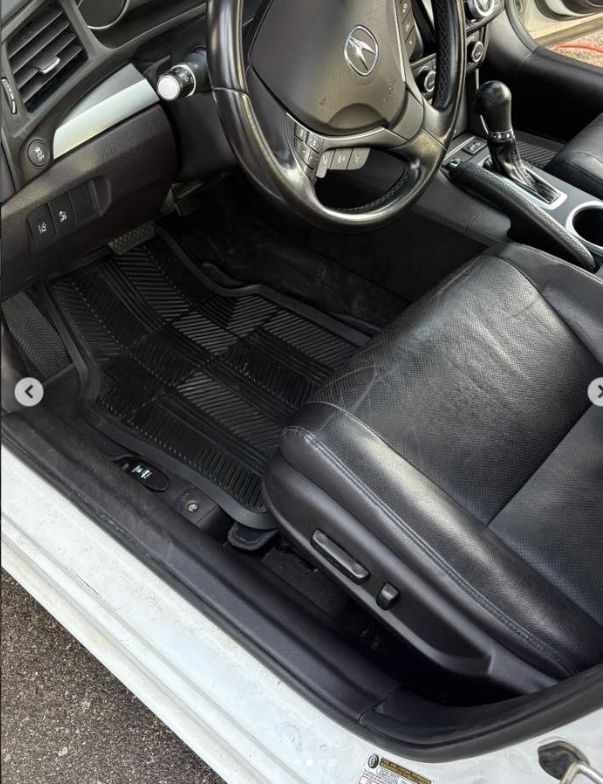
- Use rubber floor mats in winter and knock snow off your boots, so less salt reaches the carpet.
When should you call a detailer?
Call a detailer when a spot won't come off with the gentle methods above, or when salt stains and crevice debris have built up across the whole interior.
If a mark is still there after washing and a tested remover, more rubbing usually does more harm than good. Polish & Go is a fully mobile car detailing service in Milton, so we come to your driveway. Our Deep Full Detail covers the inside plus a full exterior wash, clay bar decontamination and a paint protection sealant. It's $165 for a sedan, $185 for an SUV, $190 for a truck and $220 for a van or minivan. Compare every package on our services page, book online, or call 519-835-5580.
Need a Milton detailer?
Polish & Go comes to your driveway. Book your detail in under a minute.